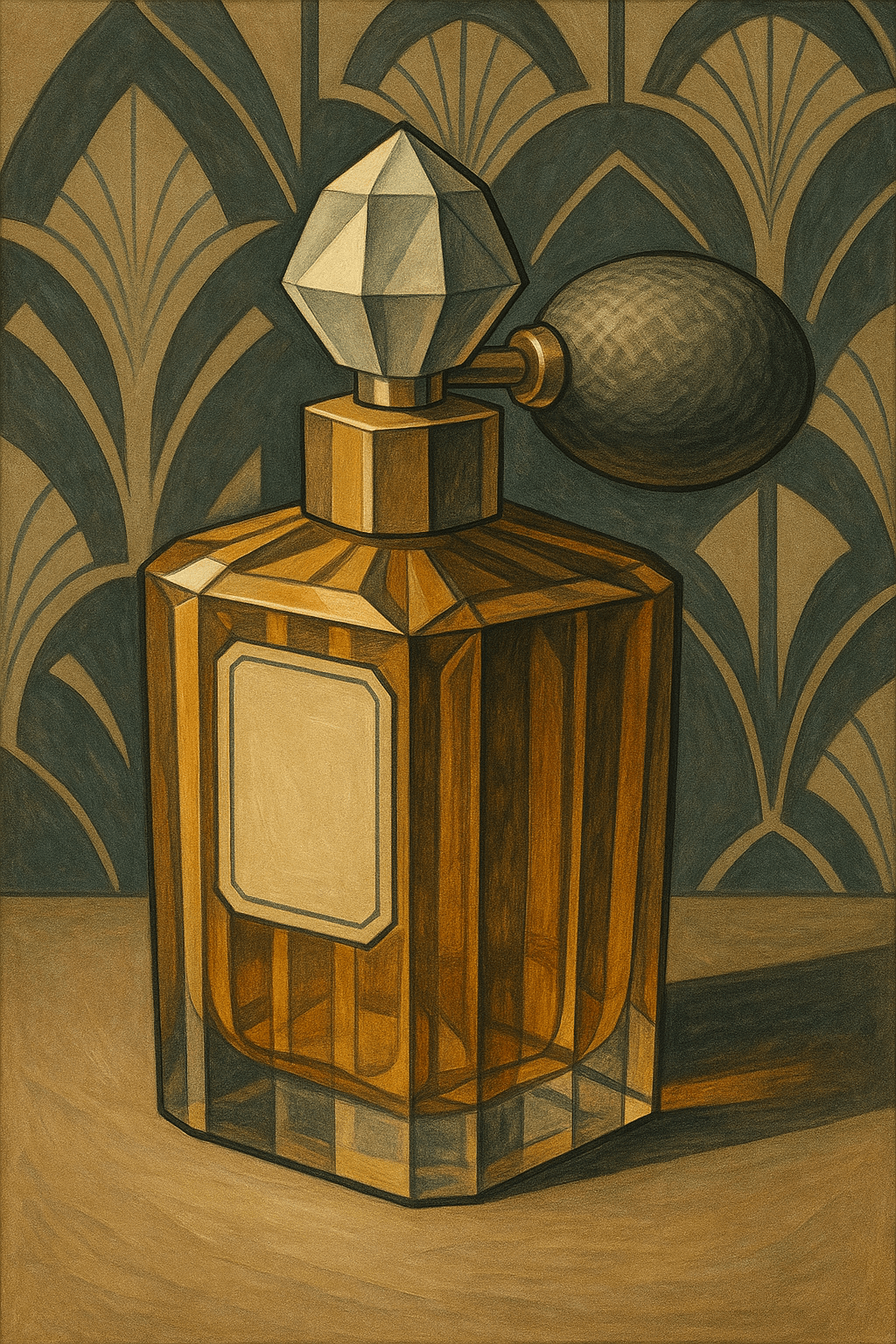
The Essence of Luxury and the Art of Scent
Perfume is an intricate blend of artistry, chemistry, and emotion. Perfume is an invisible accessory that defines personal style. From its ancient origins to the modern haute couture fragrance houses, perfume has been synonymous with artistry and sensual sophistication. In its truest form, perfume is an olfactory composition, a carefully balanced mixture of essential oils, aroma compounds, and solvents designed to create lasting impressions. I’m sharing the origins, composition, and science of perfume, which unveils the cultural significance behind its timeless allure, answers common questions surrounding its use, and offers insights into how fragrance defines modern identity. For me, understanding what perfume truly is deepens my appreciation for its craftsmanship and reaffirms its power to elevate everyday elegance.
The Origin and Evolution of Perfume
The story of perfume begins thousands of years ago, entwined with civilization’s earliest expressions of beauty and ritual. The term “perfume” itself originates from the Latin phrase per fumum, meaning “through smoke,” a reference to the burning of aromatic resins and woods in ancient religious ceremonies. Egyptian queens were known to bathe in oils infused with myrrh, cinnamon, and lotus, while in Ancient Persia, perfumers developed the first distillation techniques that remain essential to fragrance creation today. Perfume, at its essence, has always been a reflection of both culture and desire, the blending of nature’s bounty and human ingenuity to capture fleeting beauty.
In the Middle Ages, perfume made its way to Europe through trade routes from Arabia and North Africa, where fragrances were used to purify air and mask odors. With the Renaissance came the birth of fine perfume-making in France, especially in Grasse, which would later become the world’s epicenter of perfumery. This transformation marked the evolution of perfume from a function of cleanliness to a symbol of luxury, refinement, and individuality.
Today, perfume embodies a blend of artistry and science. Master perfumers, or “noses,” meticulously select raw materials, from natural botanical extracts to advanced synthetic molecules, to compose harmonies of scent that evoke emotion and memory. The sophistication of these creations reflects centuries of cultural development, combining technical precision with emotional intuition. As a result, modern perfumery represents more than the pleasure of scent; it embodies a philosophy of beauty and identity that is both deeply personal and culturally universal.
The Composition and Science of Perfume
At its core, every bottle of perfume is a complex scientific formulation designed to balance volatility, intensity, and longevity. A traditional fragrance structure consists of three layers known as “notes”: top, heart, and base. Together, these layers form the fragrance pyramid — a framework guiding the wearer’s sensory journey from the first spritz to the lingering trail hours later.
Top notes such as bergamot, lemon, or pink pepper provide an immediate impression, often bright and airy. Within minutes, the heart notes unfold, revealing florals such as jasmine, rose, or ylang-ylang that define the perfume’s character. The base notes, rich components like sandalwood, musk, or amber, anchor the fragrance, ensuring its longevity on the skin. This multi-layered design merges chemistry and art, creating a dynamic olfactory experience unique to each wearer’s body chemistry.
According to data from Statista’s 2023 global fragrance market report, the U.S. fragrance market value reached approximately $8.15 billion, with a projected growth rate of 3.8% annually between 2023 and 2028. This rise signals not only financial growth but also an evolving appreciation for innovative scent design and ingredient transparency. Perfumers are increasingly turning to sustainable sourcing, utilizing renewable raw materials and green chemistry to ensure ethical luxury. Brands like Chanel, Dior, and Le Labo are pioneering these greener approaches while maintaining their hallmark sophistication.
The art of formulation also integrates advanced olfactory technologies. Encapsulation methods, molecular distillation, and AI-driven scent modeling are revolutionizing modern perfume manufacturing. These innovations enhance both performance and consumer personalization, allowing users to experience fragrances crafted to harmonize specifically with individual skin chemistry. Such precision underscores perfume’s technical depth and the industry’s dedication to merging tradition with innovation.
Common Questions and Misconceptions About Perfume
Despite its ubiquity, perfume remains surrounded by myths and misconceptions. Many wonder about the differences between various types of fragrances, such as Eau de Parfum, Eau de Toilette, and Eau de Cologne. The distinction lies primarily in concentration: Eau de Parfum typically contains 15–20% aromatic compounds, ensuring longer wear, whereas Eau de Toilette contains 5–15% and tends to project more lightly. Eau de Cologne, with around 2–5% concentration, offers a refreshing but brief scent profile. Understanding these classifications allows consumers to make informed choices based on desired intensity and longevity.
Another common concern is shelf life. Most perfumes remain stable for three to five years when stored properly — away from light, heat, and humidity. Exposure to sunlight or temperature fluctuations can degrade the fragrance oils, altering both color and scent. Properly sealed, a bottle of perfume can retain its exquisite composition for years, serving as both a sensory and emotional legacy.
Skin chemistry also plays a pivotal role in how perfume develops. Every individual has a unique pH balance, body temperature, and moisture level that affect how fragrance molecules evolve. This explains why a perfume that smells divine on one person might feel different on another. Applying unscented lotion before spritzing perfume can help lock in moisture and enhance longevity, ensuring a consistent scent trail throughout the day.
Furthermore, as sustainability becomes increasingly important to consumers, questions often arise regarding the environmental impact of perfume production. Luxury perfume houses are transitioning toward transparent ingredient sourcing and eco-conscious packaging. Refills, recycled glass, and biodegradable materials now accompany high-end design—an evolution aligning elegance with responsibility.
Cultural and Emotional Significance of Perfume
Perfume occupies a unique place in human culture, simultaneously intimate and universal. It transcends mere aesthetics, acting as both a signature and a symbol. Throughout history, fragrance has marked rituals of romance, rites of passage, and expressions of status. In the 18th and 19th centuries, perfume was associated with social standing and sophistication, its presence a quiet declaration of taste and refinement. Today, its meaning has expanded to embody authenticity and self-expression. Each fragrance is a personal statement, a reflection of mood, memory, and identity.
Research from the National Library of Medicine suggests that scent has a profound connection to emotion and memory due to the brain’s olfactory-limbic relationship. This neurological link explains why perfumes evoke such strong emotions, a single note can summon recollections of distant places, lost loves, or joyful moments. The power of perfume lies not just in its aroma but in its ability to echo the human experience through scent.
From the delicate simplicity of a floral bouquet to the bold intensity of an amber-oud accord, perfume functions as an invisible form of storytelling. Choosing a fragrance becomes an intimate act of self-definition, a ritual that bridges the external and internal, translating personality into aroma. This invisible yet tangible bond between scent and identity contributes to perfume’s enduring allure and cultural significance across generations.
The Future of Perfume: Innovation and Personalization
The fragrance industry continues to evolve with advancements in biotechnology, AI analytics, and sensory mapping. Personalized perfumery allows consumers to tailor fragrance blends to individual preferences and genetic profiles. Customized perfumery is fast becoming a luxury standard. Companies such as Maison 21G and The Alchemist Atelier now utilize algorithmic modeling to curate exclusive experiences that align chemistry, emotion, and artistry.
Sustainability also shapes the future landscape of perfume. Ethical sourcing, carbon-neutral manufacturing, and cruelty-free certifications are poised to define next-generation luxury. According to a 2023 report by Euromonitor International, 68% of global consumers express willingness to pay more for eco-conscious fragrance brands. This data underscores the merging of ethical awareness and luxury, a transformation in which responsibility enhances, rather than diminishes, desirability.
As olfactory technology continues to evolve, digital scent marketing and “smart perfumes” may redefine how consumers engage with fragrance. Portable diffusers and AI-enhanced wearable scent devices are currently in development to adapt perfume intensity throughout the day based on environmental factors. Such advancements mark a new chapter in perfumery.
 MerLunaLobo
❤